Community
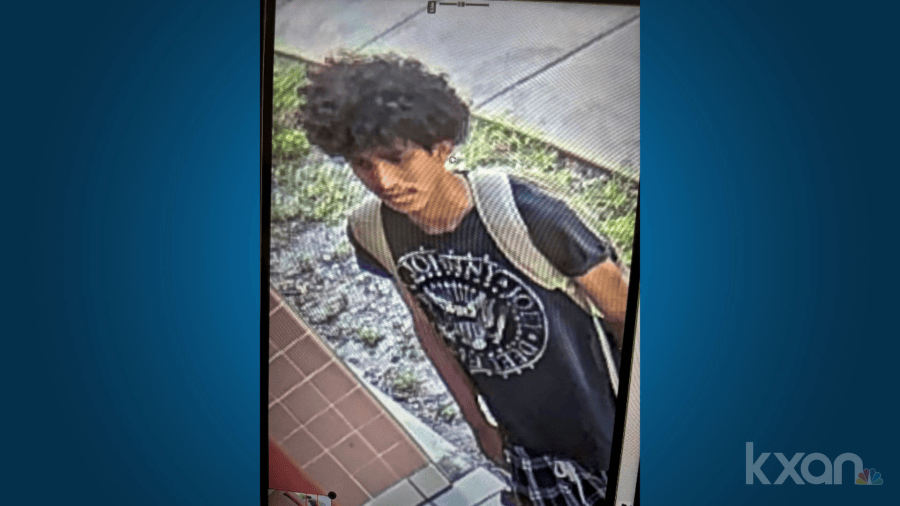
Austin police seek suspect in armed robbery of juvenile at Secret Beach
By Maria Gonzalez
Advertisement · Why this ad?
Daniel Nguyen received his Bachelor's degree in Education from the University of Texas at Arlington and has reported on educational matters for 6 years. His experience includes contributing to local educational blogs and community outreach programs.
More from Daniel →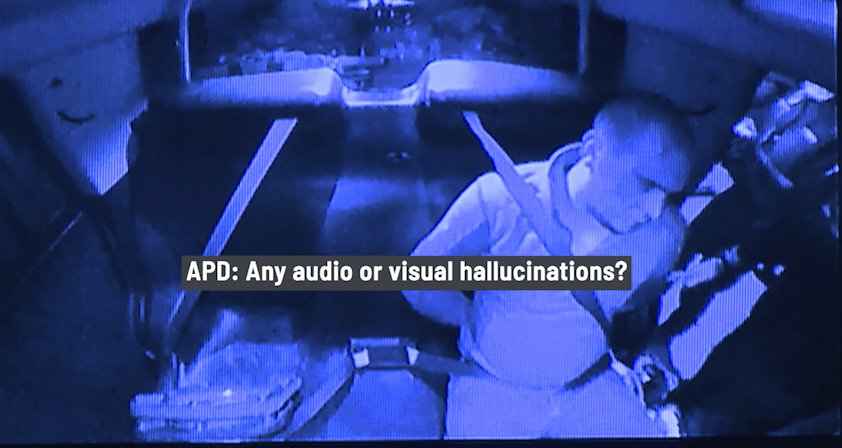
In the dim light of a New Braunfels courtroom, the air is thick with tension as video footage plays, revealing the raw, unfiltered moments following Shane James' arrest on December 5, 2023. The screen flickers to life, showing James’ interactions with first responders—police officers and medics who were called to the scene that fateful night. Each frame captures not just the reality of a legal proceeding but the broader implications of mental health challenges intertwined with community safety.
The events that unfolded on December 5 began with a call to law enforcement, leading to Shane James' arrest. As the video evidence was presented in court, it became clear that the night was marked by confusion and distress. Officers engaged with James, who exhibited signs of mental instability, raising questions about the adequacy of mental health resources available in the community.
During the interactions, James was seen struggling to comprehend the situation, often responding with erratic behavior that prompted concern among the first responders. The footage serves as a stark reminder of the complexities faced by law enforcement when dealing with individuals experiencing mental health crises. The court proceedings aim to explore these interactions in detail, shedding light on the challenges that arise when mental health intersects with the justice system.
As the prosecution and defense present their arguments, the community watches closely. The case has sparked discussions about the need for better mental health support and training for first responders in New Braunfels and beyond. With mental health issues on the rise, the responsibility to ensure that both the community and those in crisis are treated with dignity and understanding has never been more pressing.
The response from the New Braunfels community has been one of concern and reflection. Residents are increasingly aware of the mental health struggles faced by many individuals, and the case of Shane James has brought these issues to the forefront. Local organizations and mental health advocates have begun to mobilize, calling for enhanced training for police and medics to better handle similar situations in the future.
Community leaders have voiced their support for initiatives aimed at improving mental health awareness. "We need to ensure that our first responders are equipped not only to enforce the law but also to understand and respond to mental health crises effectively," said a local mental health advocate. This sentiment resonates deeply, as families and individuals affected by mental health issues seek more compassionate responses from those sworn to protect them.
Moreover, the local chapter of the National Alliance on Mental Illness (NAMI) has stepped in, offering resources and support to those who may be struggling in silence. Their outreach aims to foster a community where open conversations about mental health are encouraged, breaking the stigma that often surrounds these discussions.
As the trial unfolds, it becomes essential to understand the legal context surrounding Shane James' case. The primary focus is on whether James can be held criminally responsible for his actions, given his mental state at the time of the incident. This brings into question the existing legal standards for insanity defenses, which can vary significantly from state to state.
Legal experts highlight the complexities of proving insanity, noting that it requires a nuanced understanding of mental health conditions and their impact on behavior. The outcome of this case could set a precedent for how similar cases are handled in the future, potentially influencing policies related to mental health and law enforcement interactions.
As the community watches the proceedings, there is a palpable sense of hope that this case will not only address the specifics of Shane James' situation but also inspire broader changes in the legal and mental health systems. Advocates are calling for more comprehensive training for police officers and medics, emphasizing the importance of understanding mental health issues to prevent future tragedies.
In the wake of Shane James' case, the New Braunfels community finds itself at a crossroads. The discussions ignited by this incident have opened the door for critical conversations about mental health resources, community support, and the role of law enforcement. As families grapple with the implications of mental health crises, the need for a united front becomes increasingly clear.
Local leaders are advocating for collaborative efforts between mental health organizations, law enforcement, and community members. Initiatives aimed at providing mental health first aid training to first responders are gaining traction, with the hope that such programs will foster a more empathetic approach to handling similar situations in the future.
Community forums are being organized to encourage dialogue and share resources, ensuring that individuals in crisis receive the help they need while maintaining community safety. By working together, New Braunfels can create an environment that prioritizes mental health and supports families in their times of need.
As the community rallies around the need for improved mental health resources, several organizations are stepping up to provide support. The New Braunfels City Government has launched initiatives to enhance mental health services, collaborating with local nonprofits and mental health professionals.
Additionally, the National Alliance on Mental Illness offers resources for families, including support groups and educational materials designed to help individuals understand mental health issues better. These resources are invaluable for those navigating the complexities of mental health challenges.
Local churches and faith-based organizations are also playing a pivotal role in providing support and fostering a sense of community. Many are hosting workshops and seminars focused on mental health awareness, emphasizing the importance of faith and community in healing.
As New Braunfels looks to the future, the hope is that the lessons learned from Shane James' case will lead to meaningful changes in how the community approaches mental health. By prioritizing education, advocacy, and collaboration, residents can work together to create a safer, more compassionate environment for all.
In conclusion, the interactions between Shane James and first responders highlight the urgent need for improved mental health awareness and resources in New Braunfels. As the community reflects on these events, there is a shared commitment to fostering understanding and support for those in crisis. Together, they can build a brighter future for all residents, ensuring that no one is left to navigate their struggles alone.
By Maria Gonzalez
By Marcus Lee
By Maria Gonzalez

By Daniel Nguyen