
Community
Plane crashes near Lake of the Ozarks in Missouri, authorities say
By Henry Foster
Advertisement · Why this ad?
Maria Gonzalez has over 15 years of experience in journalism, with a Master's in Journalism from the University of Texas at Austin. Before joining New Braunfels Current, she served as the editor for the San Antonio Express-News, where she led numerous community initiatives. Maria is passionate about local issues and works tirelessly to highlight the voices of New Braunfels residents.
More from Maria →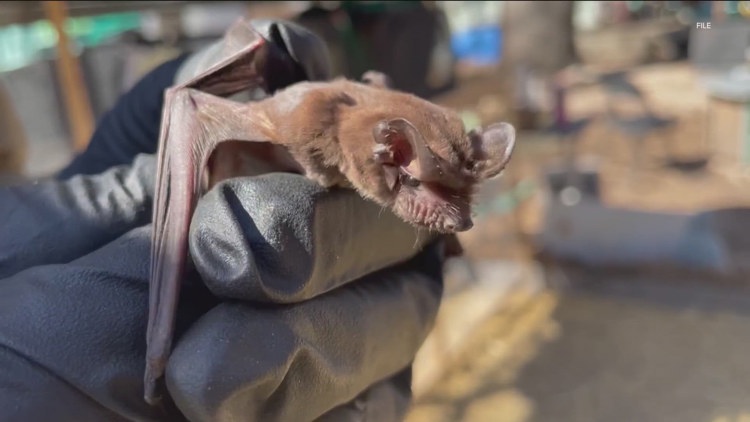
On a crisp November morning, residents of Cedar Park awoke to an unsettling discovery. A bat, typically a creature of the night, was found alive in the 2430 block of Main Street, sending ripples of concern through the community. This wasn't just any bat; it tested positive for rabies, a viral disease that poses significant health risks to both humans and pets alike. The news has sparked conversations about wildlife safety and public health, emphasizing the importance of awareness in our daily lives.
On November 3, 2023, local police responded to a report of a bat found in a residential area of Cedar Park. The bat was subsequently tested and confirmed to be rabid. This incident serves as a reminder of the potential dangers posed by wildlife in urban settings. Rabies is a serious viral infection that can be transmitted through bites or scratches from infected animals, and it can be fatal if left untreated.
The Cedar Park Police Department has been proactive in addressing the situation, ensuring that residents are informed and taking necessary precautions. In a statement, they urged anyone who may have come into contact with the bat to seek medical attention immediately. This incident highlights the need for vigilance, especially for families with pets that might encounter wild animals.
Rabies is a viral disease that affects the central nervous system, leading to brain inflammation and, ultimately, death if not treated. It is primarily spread through the saliva of infected animals, making bites or scratches the most common transmission methods. According to the Centers for Disease Control and Prevention (CDC), the most common carriers of rabies in the United States include bats, raccoons, skunks, and foxes.
The symptoms of rabies can take weeks or even months to appear, often starting with flu-like signs such as fever and headache, progressing to more severe symptoms like confusion and paralysis. For this reason, it is vital for anyone who suspects they may have been exposed to rabies to seek immediate medical care for post-exposure prophylaxis, which can prevent the disease from developing.
The news of the rabid bat has understandably caused alarm among Cedar Park residents. Many took to social media to express their concerns and share tips on how to protect themselves and their pets. Local community forums have been buzzing with discussions about the importance of keeping pets vaccinated and avoiding contact with wild animals.
One resident, Sarah Thompson, expressed her worries, saying, "I walk my dog in that area every day. It’s scary to think something like this could happen so close to home. We need to be more aware of our surroundings and educate our children about wildlife safety." This sentiment resonated with many in the community, highlighting a collective desire for increased awareness and education regarding wildlife encounters.
In response to the incident, local animal control officials have increased their outreach efforts, providing information on rabies and how to recognize the signs of infected animals. They are also reminding residents of the importance of keeping their pets up to date on vaccinations, which is crucial in preventing the spread of rabies within the community. Animal control officer Mark Jensen stated, "We want to ensure that residents are informed and know what to do if they encounter a wild animal. Education is key in preventing rabies and keeping both people and pets safe."
For families in Cedar Park, ensuring the safety of pets is a top priority. The city encourages residents to have their pets vaccinated against rabies and to keep them on leashes when outside. Additionally, pet owners are advised to avoid leaving food outside, as it can attract wildlife.
Local veterinarians are seeing an uptick in pet vaccinations as concerned owners seek to protect their furry companions. Dr. Emily Carter from Cedar Park Veterinary Clinic noted, "We’ve had many pet owners come in for rabies shots this week. It’s a good reminder for everyone to stay vigilant and proactive about their pets’ health." The clinic has also started offering educational sessions for pet owners, focusing on wildlife safety and the importance of vaccinations.
Moreover, Cedar Park has a vibrant community of pet owners who often gather for events at local parks. These gatherings have now included discussions about wildlife safety, with many residents sharing personal stories of encounters with wild animals. Such community interactions foster a sense of unity and collective responsibility towards wildlife and public health.
As Cedar Park continues to grapple with the implications of this rabies case, the city is taking steps to ensure residents are informed and safe. The police department plans to hold community meetings to discuss wildlife safety and provide resources for residents. These meetings will focus on educating families about the importance of understanding wildlife behavior and the risks associated with rabies.
In addition to community outreach, the city is working with local health departments to monitor wildlife populations and provide guidance on how to handle encounters with wild animals. This proactive approach aims to prevent future incidents and ensure that Cedar Park remains a safe place for families.
To further engage the community, Cedar Park officials are considering partnerships with local schools and organizations to implement educational programs about wildlife safety. These programs could include workshops for children, teaching them how to identify potentially dangerous animals and how to react if they encounter one. Educators emphasize that early education can significantly reduce the likelihood of dangerous encounters and promote a culture of safety.
Additionally, local parks and recreation departments are exploring the possibility of hosting family-friendly events that include wildlife safety demonstrations. These events could feature local wildlife experts who can share insights about the animals that inhabit the area and the best practices for coexisting with them. Such initiatives not only educate but also strengthen community bonds as families come together to learn and share experiences.
As we look ahead, it’s important for residents to stay informed about wildlife safety and to take the necessary precautions to protect themselves and their loved ones. This incident serves as a reminder that we share our environment with various creatures, and understanding how to coexist safely is essential.
In conclusion, the discovery of a rabid bat in Cedar Park has sparked a vital conversation about wildlife safety and public health. As the community comes together to address this issue, let us remember the importance of strong families, responsible pet ownership, and the commitment to keeping our neighborhoods safe. The Cedar Park community is resilient, and through education and awareness, it can navigate the challenges posed by wildlife, ensuring a harmonious coexistence for all.
By Henry Foster

By Henry Foster

By Marcus Lee

By Monica Ramirez