Government
Austin council winners and runoff candidates talk priorities for their districts
By Marcus Lee
Advertisement · Why this ad?
Marcus Lee has a Bachelor's degree in Political Science from Texas Tech University and over 8 years of experience covering local government and community issues. Previously a reporter for the Austin American-Statesman, he is dedicated to transparency and accountability in local governance.
More from Marcus →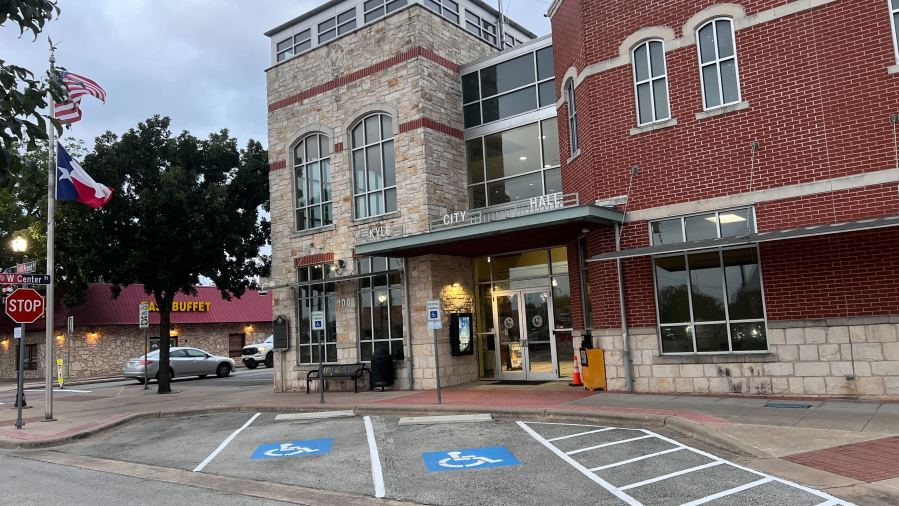
As the sun dipped below the horizon on Election Night, a palpable tension gripped the city of Kyle. Residents crowded around televisions and smartphones, eagerly awaiting results that would determine the future of their leadership. Yet, in a surprising twist, one crucial race remained uncalled: the mayoral election. This unprecedented situation has left many in the community wondering why projections were made for over 170 races, yet the fate of their mayor hangs in limbo.
The mayoral election in Kyle has become a focal point of uncertainty as ballots are still being counted. KXAN, a trusted news source in the region, announced it could not make a projection in this pivotal race, despite successfully projecting outcomes for numerous other contests. This anomaly has raised questions about the voting process in Kyle and the factors contributing to the delay.
Election officials reported that a combination of factors led to the inability to project the outcome. High voter turnout, coupled with a significant number of mail-in ballots, created a backlog that slowed the counting process. Many residents opted for early voting or mail-in options, reflecting a growing trend in Texas as citizens seek to make their voices heard. The surge in participation can be attributed to heightened political awareness and the pressing issues that have mobilized voters, including local economic growth and public safety concerns.
As of the last update, the race was too close to call, with candidates closely trailing one another. The candidates, who have both campaigned vigorously, are now left in a state of uncertainty, as are their supporters. The stakes are high; the next mayor will influence crucial decisions regarding public safety, infrastructure, and community development. The implications of this election extend beyond the immediate results, as the new leadership will need to navigate a rapidly growing city that has seen its population swell significantly over the past decade.
The uncertainty surrounding the Kyle mayoral election has sparked a range of reactions from the community. Many residents expressed frustration over the lack of clarity in the election results. “I just want to know who my mayor is going to be,” said local business owner Maria Gonzalez. “It feels like we’re in limbo.” Maria, who runs a popular café downtown, emphasized that business owners need stable leadership to plan for the future, especially with ongoing supply chain issues and rising costs.
Others, however, have taken a more optimistic view, recognizing the importance of ensuring every vote is counted. “It’s a sign of a healthy democracy,” remarked Kyle resident John Thompson. “We should be patient and let the process unfold.” This sentiment reflects a broader understanding among residents of the importance of electoral integrity. Community members have taken to local forums and social media platforms to discuss their hopes for the new leadership and the critical issues they believe need immediate attention.
Transparency in the electoral process has become a hot topic as residents demand clear communication from election officials. Many have turned to social media to express their concerns, urging officials to provide regular updates on the counting process. Local leaders have acknowledged these concerns and promised to keep the public informed. The city’s election office has been working diligently to process the ballots, but the sheer volume has posed challenges. As they navigate this complex situation, officials are committed to maintaining transparency and ensuring that every vote is counted accurately. Kyle's election office has also implemented new technologies to assist in ballot counting, aiming to improve efficiency in future elections.
Additionally, community leaders have stepped up to facilitate discussions about the election process, with local organizations offering workshops on civic engagement and the importance of voting. These initiatives aim to empower residents and ensure they understand how their participation influences local governance.
As the community awaits the final results, the focus now shifts to what’s next for Kyle. Election officials have stated that they expect to finalize the count within the coming days. However, the timeline remains uncertain, and residents are urged to remain patient. The anticipation is palpable, as many residents are eager to see how the new leadership will address pressing issues like traffic congestion, affordable housing, and park development.
Once the results are in, the new mayor will face the immediate task of addressing the community's pressing issues, including public safety, economic development, and infrastructure improvements. The election outcome will set the tone for the city’s direction and priorities in the coming years. Local issues such as traffic congestion, affordable housing, and park development are at the forefront of residents' minds, and the new leadership will need to respond effectively to these concerns.
In the meantime, community engagement remains crucial. Residents are encouraged to participate in local meetings and forums to voice their concerns and priorities. The new mayor will need the support and input of the community to effectively lead and implement their vision for Kyle. Community organizations, such as the Kyle Chamber of Commerce and local advocacy groups, are already planning town hall meetings to discuss the election results and the next steps for the city.
As the dust settles from the election, it will be vital for the new administration to foster an environment of collaboration and inclusivity. Strong leadership, rooted in the values of commitment and community, will be essential for navigating the challenges ahead. Local leaders have emphasized the need for the new mayor to engage with residents actively, ensuring that their voices are heard in shaping policies that affect daily life in Kyle.
This election is not just significant for Kyle; it reflects broader trends in Texas politics. With a growing population and increasing diversity, cities like Kyle are becoming microcosms of the larger political landscape in the state. The outcomes of local elections can influence statewide policies, particularly in areas like education, healthcare, and transportation. The demographic shifts in Kyle, with a mix of young families and retirees, signal a changing political landscape that candidates must consider in their platforms.
Moreover, the engagement seen in Kyle's election is indicative of a larger movement among younger voters and marginalized communities who are increasingly stepping into the political arena. This demographic shift is essential for shaping future elections and ensuring that all voices are heard in the democratic process. Local advocacy groups are also mobilizing to encourage voter registration and participation, recognizing that the future of Kyle depends on active civic engagement.
The Kyle mayoral election serves as a reminder of the complexities inherent in the democratic process. While the uncertainty may be frustrating, it also highlights the importance of ensuring that every vote is counted and that the electoral process is transparent. As the community awaits the final results, it is essential to remain engaged and supportive of the democratic process.
Ultimately, the new mayor will play a critical role in shaping the future of Kyle. By fostering strong relationships with residents and prioritizing their needs, the administration can build a thriving community rooted in shared values and commitment. The road ahead may be uncertain, but the foundation of a strong, united community will pave the way for a brighter future. With the ongoing challenges of urban growth and the need for sustainable development, the new leadership will have an opportunity to create lasting change that benefits all residents of Kyle. As the community rallies together, the hope is that this election will inspire greater civic participation and a renewed commitment to local governance.
By Marcus Lee
By Marcus Lee

By Marcus Lee

By Marcus Lee