Government
East Austin City Council race heads to runoff as candidates make final pitch to voters
By Marcus Lee
Advertisement · Why this ad?
Marcus Lee has a Bachelor's degree in Political Science from Texas Tech University and over 8 years of experience covering local government and community issues. Previously a reporter for the Austin American-Statesman, he is dedicated to transparency and accountability in local governance.
More from Marcus →
As the sun set over Austin, a mix of excitement and nervous anticipation filled the air. Newly elected council members and candidates preparing for runoff elections gathered to discuss their priorities and visions for the city. Among them was Paige Ellis, who celebrated her victory in District 8, and Ryan Alter, who is gearing up for a runoff in District 5. Their conversations highlighted the pressing issues facing their districts and the broader Austin community.
This election cycle was pivotal for Austin, with five of the ten city council seats contested. The results revealed a divided electorate. Only two candidates, Paige Ellis in District 8 and Leslie Pool in District 7, won their races outright. The remaining three districts—District 5, District 1, and District 3—will see their candidates face off in runoff elections scheduled for December 12.
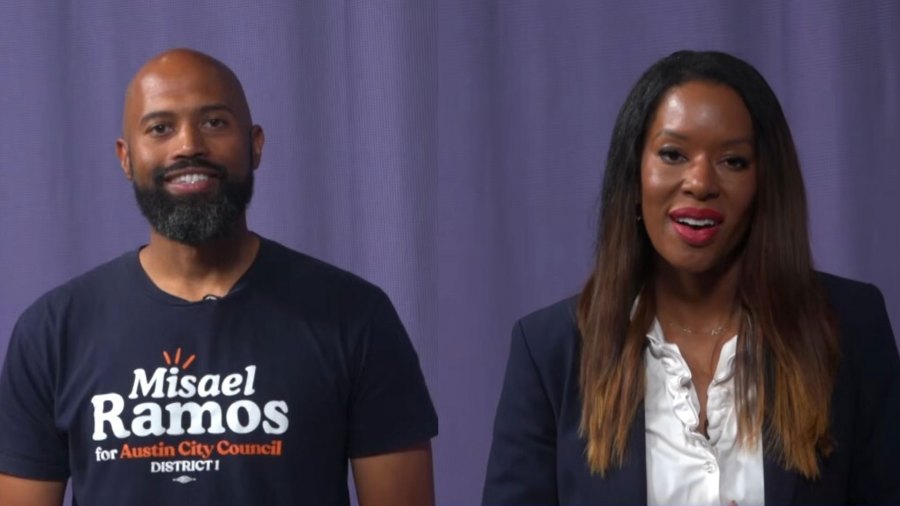
In District 5, Ryan Alter will compete against Alison Alter, while District 1's runoff features Natasha Harper-Madison and Michael C. McGowan. District 3 will see José Velásquez and Vanessa Fuentes battle it out. The council members who emerge victorious will play a crucial role in shaping policies that impact the lives of Austin residents.
Each candidate has distinct priorities that resonate with their constituents. Paige Ellis aims to tackle housing affordability, a pressing issue in her district. “We need to create more affordable housing options for families,” she stated during a recent forum. “It’s essential for the community to thrive.” With the average home price in Austin soaring to over $500,000, her commitment to affordable housing is particularly significant for families struggling to find suitable living conditions. Ellis plans to collaborate with local developers and community organizations to explore innovative housing solutions that could ease the burden on families.
Ryan Alter echoed similar sentiments, emphasizing the importance of public safety and infrastructure improvements. “Our neighborhoods deserve to feel safe, and we need to invest in our roads and parks,” he remarked. His focus aligns with the growing concerns among residents about crime rates and the quality of public spaces. The District 5 community has expressed particular concerns about traffic congestion and the need for better public transportation options. Alter's plans include advocating for increased funding for public transport and pedestrian-friendly infrastructure to enhance safety and accessibility.
Engagement with the community is a recurring theme among the candidates. Leslie Pool highlighted the need for transparency in government. “I want to ensure that residents feel heard and involved in the decision-making process,” she said. Pool's commitment to fostering open communication is crucial as Austin continues to grow and evolve. She has initiated several town hall meetings to solicit feedback from constituents on pressing issues, emphasizing the importance of grassroots input in shaping policy.
Natasha Harper-Madison, running for reelection in District 1, has been an advocate for marginalized communities. She expressed her desire to address systemic inequities and ensure that all voices are represented. “It’s important to me that we uplift all members of our community,” she noted, emphasizing her dedication to inclusivity. Harper-Madison has been actively involved in local organizations that focus on social justice, and she plans to continue these efforts by introducing initiatives aimed at increasing economic opportunities for underserved populations.
While the candidates have ambitious plans, they also face significant challenges. The ongoing housing crisis in Austin is one of the most pressing issues. With rising rents and a shortage of affordable units, candidates must navigate complex zoning laws and community pushback to implement effective solutions. Many residents have expressed concerns about potential gentrification and displacement, leading to heated debates about development projects in the city.
Moreover, public safety remains a contentious topic. As crime rates fluctuate, candidates must balance the need for law enforcement with community trust-building efforts. Ryan Alter's focus on safety will require collaboration with community organizations and law enforcement to address the root causes of crime. His approach includes hosting community safety forums where residents can voice their concerns and work together with local police to develop effective strategies for crime prevention.
As the runoff elections approach, candidates are ramping up their campaigns. Voter engagement is critical, and many are focusing on mobilizing their supporters to ensure a strong turnout on December 12. The stakes are high, as the outcomes will shape the future of Austin’s governance. With early voting set to begin soon, candidates are leveraging social media platforms to remind voters of their rights and the importance of participating in the electoral process.
Each candidate is employing different strategies to connect with voters. Door-to-door canvassing, community forums, and social media outreach are just a few methods being utilized. The candidates understand that building relationships with constituents is essential, particularly in a city experiencing rapid growth and change. Alter, for instance, has organized neighborhood barbecues to foster informal discussions about community issues, allowing voters to connect with him on a personal level.
With the election season in full swing, the candidates are not just campaigning; they are listening. They recognize that the concerns of their constituents are diverse and complex. By prioritizing engagement and transparency, they hope to build a council that reflects the values and needs of the community. The conversations happening now will set the tone for the next council session and potentially reshape the future of Austin.
As we look ahead to the runoff elections, it’s clear that the outcome will have lasting implications for Austin. Whether it’s addressing housing affordability, enhancing public safety, or fostering community engagement, the elected officials will need to work collaboratively to tackle the challenges ahead. The newly elected council members will also need to consider the impacts of climate change on urban planning, as Austin is no stranger to extreme weather events.
In a city as vibrant and diverse as Austin, the elected council members will play a crucial role in shaping the community's future. As Paige Ellis, Ryan Alter, and their fellow candidates prepare for the next phase of their campaigns, the residents of Austin are reminded of the power of their vote and the importance of civic engagement. The coming weeks will be critical, not just for the candidates, but for the future of Austin itself, as the community rallies to support the candidates who best represent their hopes and aspirations.
By Marcus Lee

By Marcus Lee

By Marcus Lee

By Marcus Lee