Community
Staff evacuated after 'suspicious package' found at Cuellar's Laredo office
By Daniel Nguyen
Advertisement · Why this ad?
Marcus Lee has a Bachelor's degree in Political Science from Texas Tech University and over 8 years of experience covering local government and community issues. Previously a reporter for the Austin American-Statesman, he is dedicated to transparency and accountability in local governance.
More from Marcus →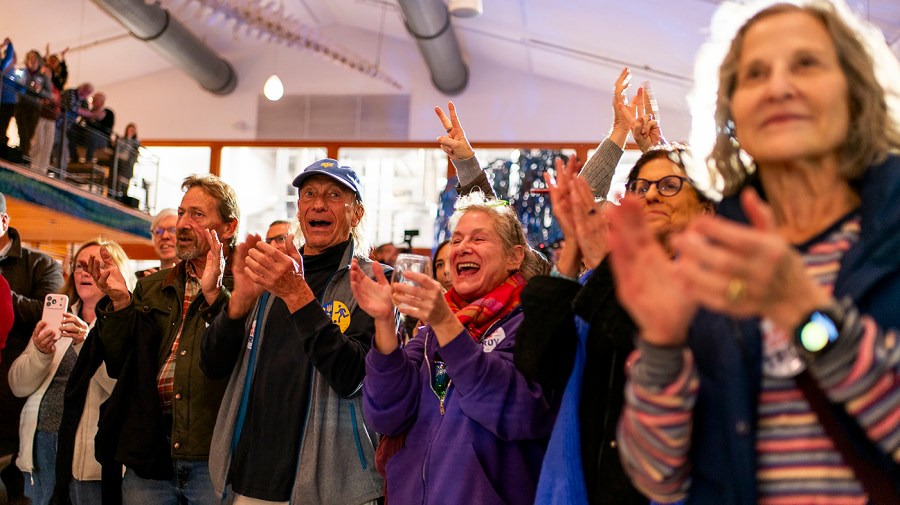
On a sunny afternoon in New Braunfels, families gather at local parks, children laughing as they play, while neighbors engage in friendly conversations. This picturesque scene reflects the strong community spirit that defines this Texas town. Yet, as the midterm elections approach, the atmosphere is charged with political anticipation. Residents are keenly aware that the outcomes of local races could signal broader trends affecting the nation.
In New Braunfels, the upcoming midterm elections are not just about choosing representatives; they are a barometer for the political climate across the country. Both major parties are closely monitoring various races that could indicate whether a political wave is forming. With the elections set for November 8, 2022, the stakes have never been higher.
As voters prepare to head to the polls, they are faced with critical decisions that will impact their community and beyond. Issues like education, public safety, and infrastructure are at the forefront of discussions. Local candidates are gearing up for debates, town halls, and door-to-door canvassing to ensure their messages resonate with constituents.
Among the races attracting attention is the contest for the Texas House of Representatives in District 73. Incumbent Republican candidate, Kyle Biedermann, is facing a strong challenge from Democrat candidate, Jennifer Ramos. This district has historically leaned Republican, but demographic shifts and changing voter sentiments may play a crucial role in the outcome.
Another race to keep an eye on is the New Braunfels City Council election, where several seats are up for grabs. The candidates are addressing local concerns such as affordable housing, transportation, and environmental sustainability. The results of these elections could reflect broader trends in voter priorities, impacting not only New Braunfels but also surrounding areas.
The importance of voter engagement cannot be overstated. Local organizations, such as the New Braunfels Chamber of Commerce, are actively encouraging residents to participate in the electoral process. They are organizing forums and providing resources to help voters make informed decisions.
“We want to ensure that every voice in our community is heard,” said Chamber President, John Smith. “Local elections shape the future of our city, and it’s essential for residents to understand the issues at stake.”
In addition to the Chamber of Commerce, grassroots movements are emerging in New Braunfels, with residents forming neighborhood groups that focus on specific issues such as education reform and public safety. These groups are hosting meet-and-greet events with candidates, allowing voters to ask questions and voice their concerns directly. This increased engagement is indicative of a community that is not only aware of the elections but is also motivated to take an active role in shaping their future.
For many residents, the upcoming elections represent more than just political choices; they embody the American dream of stable communities and strong families. The candidates’ positions on family values, education, and public safety resonate deeply with voters who prioritize intact families and authentic faith.
Local resident, Maria Gonzalez, shared her perspective: “I want to ensure that my children grow up in a safe and nurturing environment. The candidates’ views on education and community safety will influence my vote.” Her sentiment reflects a broader concern among parents who are looking for leaders that prioritize family-oriented policies.
Moreover, the local economy plays a significant role in the community's vision for the future. Business owners like Tom Martinez, who runs a local restaurant, emphasize the importance of electing officials who support small businesses. “If we want to keep our community thriving, we need leaders who understand the challenges we face,” he said. “It’s about creating jobs and ensuring our kids have opportunities here.” The intertwining of local business health and political decisions adds another layer of urgency to the elections.
Education is a particularly hot-button issue in the upcoming elections. New Braunfels has a diverse population with families from various backgrounds, and many parents are concerned about the quality of education their children receive. School board candidates are being scrutinized for their stances on funding, curriculum changes, and safety measures in schools. “Education is the foundation of our community,” said local teacher and parent, Angela Rivera. “We need leaders who will advocate for our children’s future.” This sentiment is echoed by many in the community, emphasizing the need for educational policies that reflect the values and needs of New Braunfels families.
As Election Day approaches, candidates are ramping up their campaigns, and voters are becoming increasingly engaged. Local debates are scheduled, providing opportunities for residents to hear directly from the candidates about their visions for New Braunfels.
Polls indicate that voter turnout may be higher than in previous midterms, a sign that residents are eager to make their voices heard. The results from New Braunfels could serve as an early indicator of national trends, making this election critical not only for local constituents but for the entire state.
In conclusion, the midterm elections in New Braunfels are shaping up to be pivotal. With key races on the ballot, engaged voters, and a community focused on family values and stability, the outcomes will undoubtedly have lasting implications. As residents prepare to cast their votes, they are not just deciding on leaders; they are investing in the future of their community.
Once the ballots are cast and the results are in, the real work begins. Elected officials will face the challenge of delivering on their campaign promises while navigating the complexities of local governance. For many, this will mean addressing the immediate concerns of their constituents, such as improving public safety and enhancing local infrastructure.
Community members will also need to remain engaged post-election. Local advocacy groups are planning to hold follow-up meetings to discuss the outcomes and the implications for their initiatives. “It’s important to keep the momentum going,” said Sarah Johnson, a leader in a local education advocacy group. “We need to hold our elected officials accountable and ensure they are listening to our needs.”
The impact of these elections will extend beyond New Braunfels. With state and national repercussions, how local candidates perform could influence party strategies and priorities in the future. As such, the eyes of political analysts will be closely watching the results, using them to gauge the mood of the electorate ahead of larger elections in the coming years.
Another aspect of this election cycle is the involvement of younger voters. Local high schools are engaging students in the political process through voter registration drives and educational workshops. “It’s essential for young people to understand their power in democracy,” said Emma Wright, a senior at New Braunfels High School. “We’re the future, and our voices matter.” This initiative not only empowers students but also fosters a culture of civic responsibility that can have lasting effects on the community.
The active participation of younger generations may signal a shift in voter demographics and priorities, further complicating the landscape of New Braunfels politics. As these students transition into adulthood, their perspectives and values will undoubtedly shape the political climate in the years to come.
By Daniel Nguyen
By Henry Foster
By Marcus Lee
By Henry Foster