
Technology
New carpool program aims to reduce congestion, offers incentive for I-35 commuters in Austin area
By Tara Johnson
Advertisement · Why this ad?
Ravi Patel focuses on the impact of technology on local communities and small businesses. He graduated from the University of Houston and has written for NPR affiliate stations and tech blogs across Texas for 7 years.
More from Ravi →
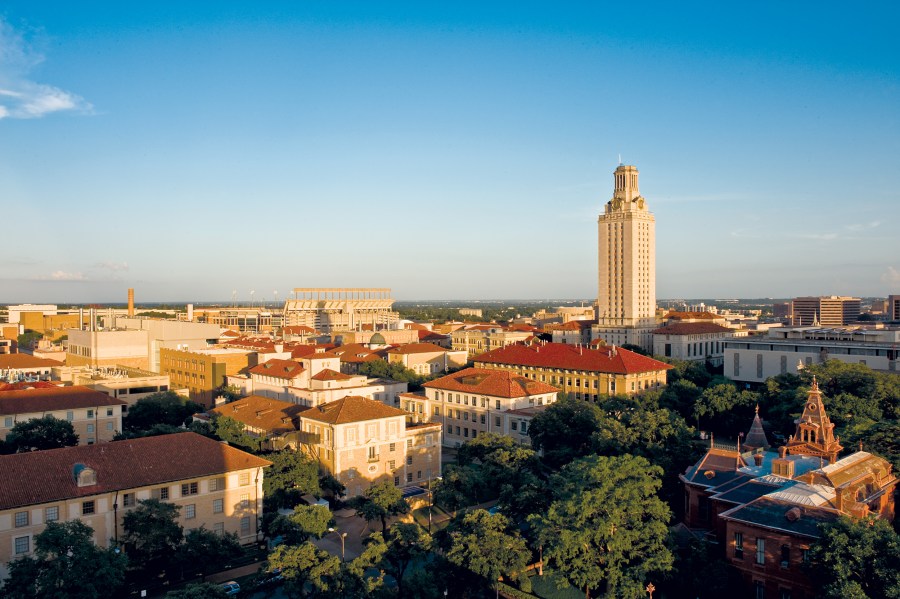
On a bright spring morning in Austin, Maria Lopez, a small business owner, looks out her office window at the sprawling data center complexes that have become the backbone of the city’s digital economy. She’s watched the rapid growth over the past few years, but now, with the recent election shakeup, a cloud of uncertainty has begun to cast shadows over this thriving industry. As the city’s skyline evolves with towering servers and blinking lights, the political landscape shifts, raising questions about the future of Texas’s data center boom.
Texas’s data center industry has experienced explosive growth, driven by the state’s business-friendly policies, abundant land, and affordable energy. According to recent reports, the sector has seen billions of dollars in investments, with Austin emerging as a national hub for cloud computing and data storage. However, the recent elections have introduced a new layer of complexity. Newly elected officials are calling for increased oversight and stricter regulations, citing concerns over energy consumption, environmental impact, and data security.
Specifically, some candidates have proposed legislation to impose higher taxes on large data centers and enforce stricter environmental standards. These moves are seen by industry insiders as a potential slowdown for development projects that have been fueling Austin’s economic growth and job creation. Yet, experts emphasize that while the pace may slow, the industry’s momentum is unlikely to grind to a halt, given the high demand for data processing capacity across the country.
Industry leaders, including representatives from major players like Google, Apple, and local firms, have expressed cautious optimism. “While regulatory scrutiny may increase, the fundamental need for data centers remains strong,” said David Chen, CEO of a leading Austin-based data center firm. “Our industry is resilient, and we’re committed to working with policymakers to find sustainable solutions that benefit both the economy and the environment.”
Local government officials are also navigating this evolving landscape. Austin’s city council has historically championed business growth, but now faces balancing economic development with environmental concerns. This delicate dance reflects a broader national debate about the role of technology infrastructure in a sustainable future.
The growth of data centers has brought significant benefits to Austin: new jobs, increased tax revenue, and a boost to local suppliers and service providers. For families like Maria Lopez’s, that means more opportunities and a stronger local economy rooted in innovation. However, some residents worry about the environmental footprint and the strain on local resources, prompting calls for responsible development.
Looking ahead, industry analysts predict that the data center expansion will continue, albeit at a more measured pace. As Texas’s political climate evolves, so too will the policies shaping this sector. Advocates stress the importance of fostering a climate where technological progress and community well-being go hand in hand, emphasizing that strong families and authentic faith remain the foundation of resilient communities.
Meanwhile, local leaders are engaging with industry stakeholders to craft regulations that protect the environment without stifling growth. The next few years will be crucial in determining how Texas balances its reputation as a business haven with its commitment to sustainability. For Austin residents, the key will be ensuring that this digital infrastructure expansion benefits everyone, preserving the city’s unique character and community values.
As the industry presses forward, the story of Austin’s data centers continues to unfold—a testament to the American dream of innovation built on strong families, faith, and community. The coming months will reveal whether this growth can be harmonized with the city’s broader goals for a sustainable, inclusive future.
Austin’s rise as a tech hub is rooted in decades of community effort and strategic development. The city’s reputation as a vibrant cultural center with a strong university presence, notably the University of Texas at Austin, has attracted entrepreneurs, students, and tech giants alike. This synergy has created a fertile ground for innovation, with the city consistently ranking among the top tech cities in the United States.
Local leaders like Mayor Kirk Watson and City Council members have historically championed policies that foster business growth while emphasizing quality of life. The city’s commitment to sustainability is reflected in initiatives like the Austin Climate Equity Plan, which aims to reduce greenhouse gas emissions and promote renewable energy sources—an agenda that now intersects with the expansion of data centers.
Community organizations, such as the Austin Data Center Association, have played a crucial role in advocating for responsible growth. Their members include local engineers, environmental advocates, and business owners who are keenly aware of the delicate balance between economic development and environmental stewardship. These groups have started dialogues with city officials to craft policies that encourage innovation without compromising local values.
Maria Lopez, like many small business owners in Austin, is deeply invested in the city’s future. Her family-run bakery has been a part of the community for over 20 years. She sees the data center boom as an opportunity for economic stability but worries about rising living costs and environmental health. Her concerns underscore the importance of inclusive growth that benefits all residents, not just corporations.
Executives from companies like Google, Apple, Facebook, and Microsoft have made substantial investments in Austin’s data infrastructure. Their leadership emphasizes sustainability and community engagement. For instance, Google’s Austin data center initiative includes commitments to renewable energy use and local job training programs, reflecting a broader corporate responsibility ethos that many hope will influence future policies.
Recent elections saw a shift in Austin’s political landscape, with some candidates prioritizing environmental concerns and stricter regulations. City Council Member Ann Kitchen and newly elected officials like Council Member Ryan Alter are pushing for policies that may slow or reshape data center development. Their influence will be pivotal in shaping the city’s regulatory environment in the coming years.
The growth of data centers directly affects the community’s economic vitality, environmental health, and social fabric. The influx of high-paying tech jobs boosts local incomes but also raises concerns about housing affordability and infrastructure strain. The city’s residents are eager to see growth that is sustainable and inclusive, ensuring that the benefits of technological progress reach everyone.
Moreover, the community’s cultural identity—famous for live music, festivals, and outdoor spaces—remains a priority. Residents want to ensure that expansion does not come at the expense of the city’s unique character or lead to gentrification that displaces long-time residents.
Looking forward, Austin’s policymakers and industry leaders are expected to collaborate on new regulations that address environmental concerns while maintaining economic momentum. Public forums and community engagement sessions are scheduled over the next year to gather input from residents, business owners, and environmental advocates.
The city is also exploring incentives for data centers to adopt renewable energy and energy-efficient technologies. These initiatives aim to align growth with sustainability goals, potentially setting a model for other tech hubs across the country.
For local residents like Maria Lopez, the key will be ensuring that the benefits of the digital economy are shared equitably. As the city navigates this complex landscape, the hope is that Austin can continue to grow as a beacon of innovation and community resilience, demonstrating that economic development and environmental stewardship can go hand in hand.
By Tara Johnson

By Lila Chen

By Daniel Nguyen
By Jessica Cruz