
Government
Meet Austin's city council candidates for the November election
By Marcus Lee
Advertisement · Why this ad?
Marcus Lee has a Bachelor's degree in Political Science from Texas Tech University and over 8 years of experience covering local government and community issues. Previously a reporter for the Austin American-Statesman, he is dedicated to transparency and accountability in local governance.
More from Marcus →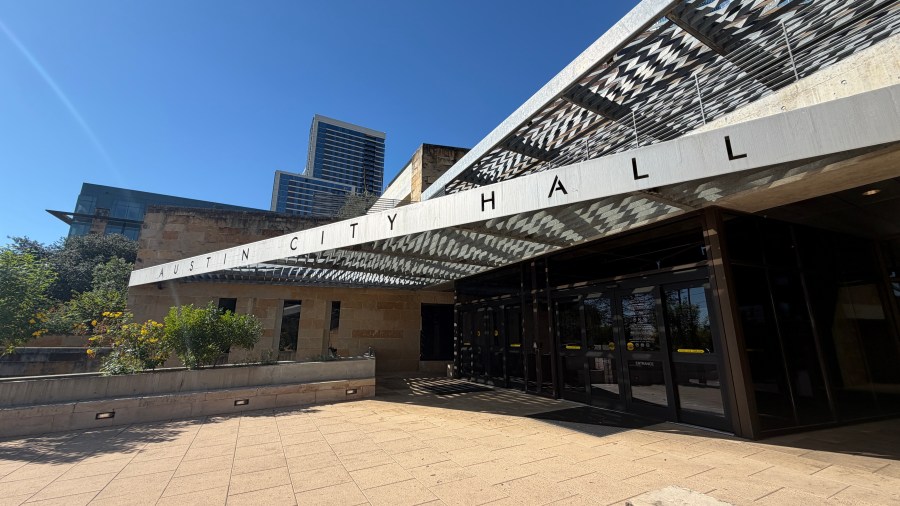
As the sun set over Austin, the city buzzed with anticipation. Residents gathered at local cafes and community centers, eager to discuss the outcomes of the recent city council elections. With five districts contested, the results not only shape the political landscape of Austin but also reflect the values and priorities of its diverse populace.
The city of Austin held elections for five out of its ten council districts on November 7, 2023. These races are crucial as council members serve four-year terms, and every two years, half of the council seats are up for election. The elections drew significant attention, with candidates vying to address pressing issues such as housing affordability, public safety, and environmental sustainability.
Among the notable races, District 3 saw a particularly fierce competition. Candidate Sarah Thompson, a local business owner, ran on a platform emphasizing community engagement and economic development. Her opponent, former council member Jake Ramirez, focused on increasing public transportation options. The close race highlighted the differing visions for the future of the district and the city as a whole, with many voters expressing a desire for a more integrated transportation system that could alleviate traffic congestion and improve accessibility.
In District 5, incumbent council member Lisa Chen faced a strong challenge from environmental activist Mark Patel. Chen's record on sustainability initiatives was a focal point of the campaign, while Patel's grassroots approach resonated with younger voters concerned about climate change. This election cycle underscored the growing importance of environmental issues in local governance, as Austin continues to grapple with the effects of urbanization on its natural resources.
District 1, traditionally a stronghold for progressive candidates, saw a heated battle between incumbent council member Emily Harris and challenger David Nguyen, a tech entrepreneur advocating for smart city solutions. Harris, who has been in office since 2019, campaigned on her record of affordable housing initiatives and public health improvements. Nguyen, on the other hand, appealed to younger voters with his vision of a tech-driven city that prioritizes innovation and sustainability. The engagement from tech-savvy constituents highlighted the need for the city to adapt to new technologies while ensuring that all residents benefit from advancements.
In District 7, the election was marked by fierce debates over public safety. Candidate Rachel Moore, a former police officer, advocated for a balanced approach to policing, emphasizing community policing and mental health resources. Her opponent, activist Tomás Rivera, called for defunding the police and reallocating those funds to community programs. This race encapsulated the ongoing national conversation about policing and community safety, resonating deeply with Austin's increasingly diverse neighborhoods. The discussions surrounding these candidates reflected broader societal concerns about justice and equity, and many residents are hopeful that the newly elected officials will address these issues head-on.
Voter turnout was notably high this election cycle, with many residents expressing a desire for change. “I’ve never seen so many people engaged in local politics,” said longtime resident Maria Gonzales, who participated in the election for the first time. “It feels like our voices are finally being heard.” The excitement in the community was palpable, as many young voters who had previously felt disenfranchised stepped up to make their voices count.
Local organizations, such as the Austin Chamber of Commerce, played a significant role in mobilizing voters. They organized forums and discussions to educate the community about the candidates and their platforms. “Our goal was to ensure that everyone had the information they needed to make informed decisions,” said chamber spokesperson Alex Johnson. Additionally, grassroots movements led by community leaders helped to galvanize support for candidates who aligned with the community's needs, particularly among marginalized groups.
The outcomes of these elections will have lasting implications for families in Austin. With housing costs continuing to rise, candidates who prioritize affordable housing solutions have garnered considerable support. “We need leaders who understand the struggles families face every day,” said parent and community advocate Jessica Lee. “Finding a home shouldn’t be a constant battle.” The reality of rising rents and home prices has pushed many families to the brink, making this election a critical moment for those advocating for change.
As the results rolled in, families across the city were hopeful for a brighter future. The emphasis on community-centered policies resonated with many, reflecting a collective desire for stability and growth. Community leaders are already discussing strategies to work with the newly elected officials to ensure that housing remains accessible for all residents, particularly those in lower-income brackets.
Many residents took to social media to voice their excitement and concerns about the election outcomes. Local artist and activist Maya Rodriguez expressed her hopes for a more inclusive city council. “I want to see our leaders reflect the diversity of our community, not just in race but in thought and experience,” she shared in a tweet that garnered hundreds of likes and retweets. The sentiment echoed throughout the community, as many residents called for a council that truly represents the voices of all Austinites.
Community gatherings in parks and local businesses have become a common sight, as residents discuss the implications of the election results. Neighborhood associations are planning meetings to strategize on how to engage with the new council members effectively and advocate for their needs. These gatherings not only foster a sense of unity but also empower residents to take an active role in shaping their community's future.
Looking ahead, the newly elected council members will be tasked with addressing the challenges that lie ahead. The first council meeting is scheduled for December 5, 2023, where the newly elected officials will outline their priorities and begin the work of governance. Residents are eager to see how these leaders will tackle issues such as public safety, which has become a pressing concern for many neighborhoods. The council's approach to these challenges will be closely watched, as residents hope for swift action on key issues.
Additionally, the council will need to focus on sustainable development practices to ensure that Austin remains a livable city for future generations. The recent elections signal a shift towards more progressive policies, particularly concerning environmental sustainability and affordable housing. As Austin continues to grow, the balance between development and maintaining the city's character will be a significant focus for the new council.
In the coming months, civic engagement will be crucial. Various advocacy groups are already planning town halls and workshops to hold the new council accountable. “We want to make sure that our voices continue to be heard beyond the election,” said community organizer Kevin Tran. “It’s essential that we keep the pressure on our elected officials to follow through on their promises.” These efforts will be vital in ensuring that the council remains responsive to the needs of the community.
Moreover, local media outlets are committed to providing ongoing coverage of the council's actions, ensuring that residents stay informed about decisions that affect their lives. This commitment to transparency will be vital as the new council navigates the complex issues facing Austin. Many residents have expressed a desire for more direct communication from their elected officials, emphasizing the importance of accountability in local governance.
As Austin moves forward with its newly elected city council, the community stands at a pivotal moment. The choices made by these leaders will impact not only the immediate future of the city but also the long-term wellbeing of its residents. With a commitment to strong families and community values, the hope is that these elected officials will work diligently to create a thriving environment for all Austin residents. The active engagement from the community during this election cycle sets a promising precedent for continued involvement in local governance, ensuring that the voices of Austinites remain central to the decision-making process.
By Marcus Lee

By Marcus Lee

By Marcus Lee
By Daniel Nguyen