Community
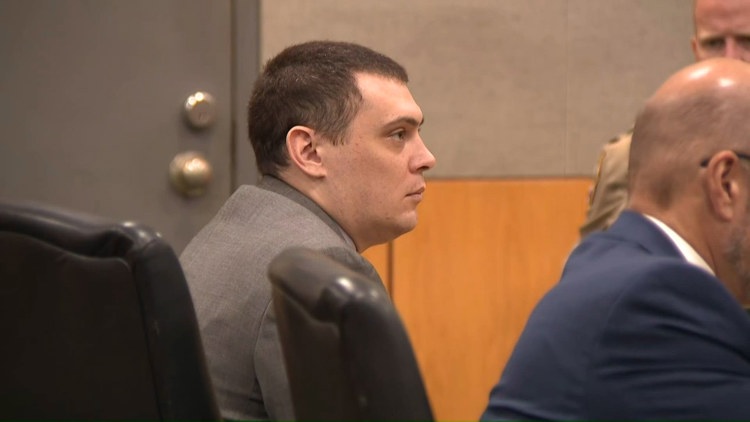
Shane James Jr. trial: Day 2 of testimony focuses on evidence from deadly 2023 shootings
By Henry Foster
Advertisement · Why this ad?
Daniel Nguyen received his Bachelor's degree in Education from the University of Texas at Arlington and has reported on educational matters for 6 years. His experience includes contributing to local educational blogs and community outreach programs.
More from Daniel →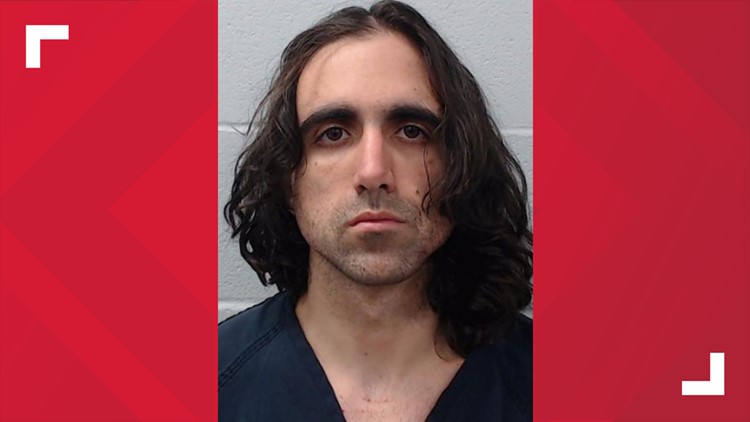
In a quiet neighborhood of New Braunfels, the echoes of a tragic event still reverberate through the community. Residents remember the day in 2022 when the news broke that 34-year-old Jeremiah Kuenzli had been charged with the murder of his mother, a beloved figure in the area. The weight of such a loss is heavy, and the complexities surrounding the case have left many grappling with questions about mental health, family dynamics, and the broader implications for community safety.
Jeremiah Kuenzli was accused of murdering his mother in a shocking incident that sent ripples through New Braunfels. Court records indicate that he was acquitted for "insanity or lack of mental responsibility" in connection to the crime. This ruling has raised significant concerns among community members about the intersection of mental health and criminal justice. The case highlights the challenges that families face when mental illness becomes intertwined with violent acts.
The tragic event occurred in the spring of 2022, leaving a lasting impact on the Kuenzli family and the surrounding community. As details emerged, it became clear that Jeremiah struggled with mental health issues, a reality that complicates the narrative of a crime that many found unthinkable. The court's decision to deem him mentally incompetent to stand trial further illuminates the difficulties inherent in addressing mental health within the context of the law.
As the community processes this event, the focus has shifted toward understanding how mental health resources can be improved to prevent similar tragedies in the future. Local organizations are stepping up to provide support and education, aiming to foster a more informed dialogue about mental health challenges in families.
The reaction from the New Braunfels community has been one of shock and sorrow. Many residents express their condolences to the Kuenzli family while also grappling with the implications of the case. Conversations about mental health have become more prevalent, with community forums and discussions being organized to address the stigma often associated with mental illness.
“It’s heartbreaking to think that a family could go through something like this,” said Sarah Thompson, a local resident and mental health advocate. “It’s a reminder that we need to be more aware of the signs of mental illness and ensure that families have access to the resources they need.”
In response to the tragedy, local mental health organizations, such as the National Alliance on Mental Illness (NAMI), have been working diligently to provide education and support for families facing similar challenges. Their efforts underscore the importance of community support in navigating the complexities of mental health issues.
The case of Jeremiah Kuenzli serves as a stark reminder of the realities many families face when dealing with mental illness. According to the Centers for Disease Control and Prevention (CDC), mental health disorders affect one in five adults in the United States, yet many individuals and families remain unaware of the resources available to them.
In New Braunfels, the community has begun to rally around initiatives aimed at increasing awareness and accessibility to mental health services. Local schools and churches are partnering with mental health professionals to create programs that educate families about the signs of mental illness and how to seek help.
“We want to break the cycle of silence surrounding mental health,” said Reverend Mark Johnson of the New Braunfels Chamber of Commerce. “It’s essential for families to know that they are not alone and that there is support available.”
The legal ramifications of Kuenzli’s case continue to unfold, raising questions about the criminal justice system's handling of mental health issues. Experts argue that the system often lacks the necessary resources to adequately address cases involving individuals with mental health challenges.
As Kuenzli remains deemed mentally incompetent to stand trial, the community is left wondering what the future holds for him and his family. The case has sparked discussions about the need for reform within the mental health and criminal justice systems to ensure that individuals receive appropriate care rather than punishment.
“We need to advocate for a system that prioritizes treatment over incarceration for those with mental health issues,” said Dr. Lisa Green, a local psychiatrist. “This case is an opportunity to shine a light on the need for comprehensive mental health care and support.”
In the wake of this tragedy, New Braunfels has seen an outpouring of support for mental health initiatives. Local organizations are coming together to provide resources for families navigating difficult circumstances. The Behavioral Health Wellness Center is one such organization, offering counseling services and support groups for families dealing with mental health challenges.
Community events focused on mental health awareness have gained traction, with workshops and seminars designed to educate residents about the importance of mental well-being. “It’s crucial for us to come together as a community to support one another,” said Thompson. “We need to foster an environment where people feel safe to share their struggles.”
Through these efforts, New Braunfels is working to transform the narrative surrounding mental health, emphasizing the importance of understanding, compassion, and proactive support. The hope is that by addressing these issues collectively, families can find healing and support in the wake of tragedy.
The journey toward healing in New Braunfels is just beginning. As the community reflects on the events surrounding Jeremiah Kuenzli's case, there is a shared commitment to fostering a more supportive environment for those facing mental health challenges. The conversations sparked by this tragedy are paving the way for a more informed and compassionate community.
“We can’t change the past, but we can work toward a better future,” said Reverend Johnson. “By coming together, we can create a community that prioritizes mental health and the well-being of all its members.”
As families in New Braunfels continue to navigate the complexities of mental health, the hope remains that through education, support, and understanding, they can build a brighter future for themselves and their loved ones. The strength of a community lies in its ability to come together, and New Braunfels is demonstrating that resilience in the face of adversity.
By Henry Foster

By Sofia Morales

By Maya Rodriguez
By Marco Sullivan