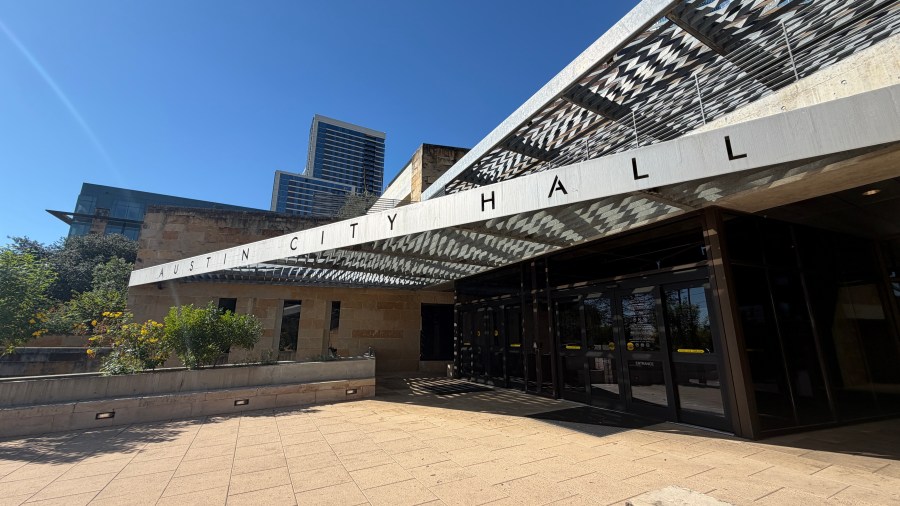
Government
Austin council winners and runoff candidates talk priorities for their districts
By Marcus Lee
Advertisement · Why this ad?
Marcus Lee has a Bachelor's degree in Political Science from Texas Tech University and over 8 years of experience covering local government and community issues. Previously a reporter for the Austin American-Statesman, he is dedicated to transparency and accountability in local governance.
More from Marcus →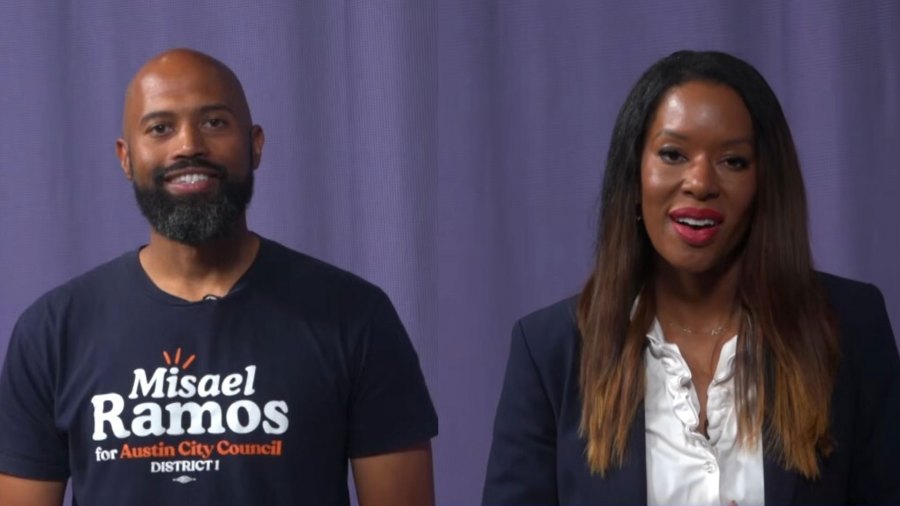
In the heart of East Austin, the air is thick with anticipation as residents prepare for a pivotal moment in their community. The vibrant streets, filled with the sounds of children playing and families gathering, are now buzzing with discussions about the upcoming runoff election. On December 12, former Assistant District Attorney Amber Goodwin and community organizer Misael Ramos will face off once again, after emerging from a crowded field of candidates vying for the District 1 seat on the City Council.
This runoff election comes on the heels of a competitive first round, where Goodwin and Ramos distinguished themselves among a diverse group of candidates. Their contrasting backgrounds and visions for East Austin have resonated with voters, leading them to this decisive moment. Goodwin, known for her legal expertise and commitment to public service, has emphasized her experience in addressing crime and safety issues in the district. Meanwhile, Ramos, a passionate community advocate, has focused on grassroots initiatives aimed at improving local infrastructure and supporting underrepresented communities.
The runoff will be held on December 12, and both candidates are ramping up their campaigns, making final pitches to voters. Goodwin's legal background positions her as a candidate who understands the complexities of city governance, while Ramos's community organizing experience appeals to those seeking a representative who will prioritize the voices of everyday residents.
The response from the community has been overwhelmingly supportive, with many residents expressing excitement about having two strong candidates to choose from. Local business owner Maria Sanchez shared her thoughts, stating, "Both candidates have unique strengths, and I believe they will bring important changes to our district. I'm particularly interested in how they plan to address the rising costs of living in East Austin." Sanchez's sentiments reflect a broader concern among residents about affordability and access to essential services.
In a neighborhood known for its rich cultural heritage and rapid gentrification, the stakes are high. Long-time residents like Sanchez are worried that rising rents and property taxes could displace families who have lived in East Austin for generations. The ongoing dialogue about housing affordability has become a central theme in the campaigns, with both candidates promising to prioritize this issue in their platforms.
In preparation for the runoff, both campaigns have ramped up their voter engagement efforts. Goodwin has been hosting town hall meetings to discuss her platform and answer questions from constituents. Ramos, on the other hand, has been canvassing neighborhoods, connecting with voters on a personal level. His approach has resonated with many, particularly younger voters who feel a strong connection to his grassroots message.
Local organizations are stepping up to facilitate voter education as well. Groups like the Austin Elections Division and grassroots organizations are working tirelessly to ensure that residents have the information they need to participate. This includes sharing details on early voting locations, registration deadlines, and how to vote by mail. The importance of voter turnout cannot be overstated. With the stakes high, both candidates are encouraging residents to make their voices heard.
As the candidates prepare for the runoff, several key issues have emerged that will likely shape the outcome of the election. Affordable housing remains at the forefront of many voters' minds. With East Austin experiencing rapid development, residents are concerned about the potential displacement of long-time community members. Goodwin has proposed policies aimed at increasing affordable housing options, while Ramos emphasizes the need for community-led solutions that prioritize existing residents.
Public safety is another critical issue. Goodwin’s background as a former Assistant District Attorney gives her a unique perspective on crime prevention and public safety measures. Ramos, however, argues for a more holistic approach that includes mental health resources and community programs designed to reduce crime rates. This difference in approach highlights a broader debate within the community about how best to address safety concerns without resorting to punitive measures that could further marginalize vulnerable populations.
Amber Goodwin, with her legal background, has positioned herself as a candidate who can navigate the complexities of city governance. She has a track record of advocating for public safety and has proposed initiatives aimed at improving community-police relations. Goodwin's supporters appreciate her commitment to transparency and accountability in local government.
On the other hand, Misael Ramos brings a wealth of experience as a community organizer. He has dedicated his career to advocating for marginalized communities and believes that true change comes from within the community. Ramos's platform focuses on inclusivity, emphasizing the importance of engaging all residents in the decision-making process. His ability to connect with voters on a personal level has garnered him a loyal base of supporters who are eager to see their community's needs prioritized.
As the December 12 runoff approaches, both candidates are intensifying their efforts to connect with voters. Early voting will begin soon, and it's crucial for residents to stay informed about the election process. The Austin Elections Division provides resources for voters, including information on polling locations and voting hours.
This election is not just about choosing a representative; it’s about the future of East Austin. The outcome will have lasting implications for the community, shaping policies that affect everything from housing to public safety. As both candidates make their final pitches, it is essential for residents to consider their options carefully and engage in the democratic process.
Community involvement in this election is crucial, especially given the rapid changes East Austin is experiencing. Many residents have voiced concerns over the loss of cultural identity as new developments reshape the landscape. Local artist and activist Elena Martinez expressed her worries, saying, "We need leaders who understand our history and will fight to keep our community intact. It's about more than just politics; it's about preserving our way of life." This sentiment is echoed by many who fear that without strong representation, their voices will be drowned out in the face of development.
The engagement of local organizations, such as the East Austin Collective, has been pivotal in mobilizing voters and fostering discussions about the future of the district. They have organized forums where residents can discuss their concerns and hear from both candidates directly, creating a space for dialogue that is essential for a healthy democracy.
In conclusion, the East Austin City Council race is more than just a political contest; it's a reflection of the community's values and aspirations. With strong candidates like Amber Goodwin and Misael Ramos, voters have a unique opportunity to shape their future. As December 12 approaches, the call to action is clear: make your voice heard and participate in this critical election. The community is at a crossroads, and the choices made in this runoff could define the trajectory of East Austin for years to come.
By Marcus Lee

By Marcus Lee

By Marcus Lee

By Marcus Lee