Community
Taylor voters name robot mowers that maintain cemetery grounds
By Marcus Lee
Advertisement · Why this ad?
Maria Gonzalez has over 15 years of experience in journalism, with a Master's in Journalism from the University of Texas at Austin. Before joining New Braunfels Current, she served as the editor for the San Antonio Express-News, where she led numerous community initiatives. Maria is passionate about local issues and works tirelessly to highlight the voices of New Braunfels residents.
More from Maria →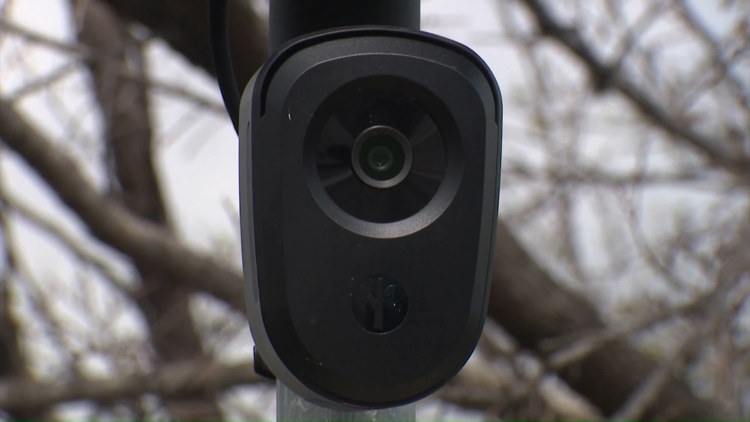
In a quiet corner of New Braunfels, where the charm of small-town life meets the pulse of modern technology, a decision was made that rippled through the community. On a sunny afternoon, Mayor Pro Tem, John Doe, stood before the city council, his voice steady but tinged with concern. He announced that the city would terminate its contract with Flock Safety, a decision driven by rising data security concerns surrounding the surveillance cameras that had been keeping an eye on local streets. The city’s eight Flock cameras, once symbols of safety, have now been disabled and are set to be removed in the coming days.
The decision to end the Flock Safety contract was not taken lightly. The city had implemented these cameras to enhance public safety, hoping to deter crime and create a more secure environment for residents. However, as discussions unfolded, it became clear that the potential risks associated with data privacy were too significant to ignore. The council's unanimous vote to terminate the contract came after extensive discussions about how data collected by these cameras could be misused, raising alarms among city officials and residents alike.
Flock Safety’s cameras had been installed to monitor public areas, capturing vehicle license plates and providing real-time data to law enforcement. Yet, as concerns about data breaches and unauthorized access grew, many residents began to question the implications of such surveillance. In a society increasingly aware of privacy rights, the decision reflects a broader trend of communities reevaluating their relationship with technology and security.
The reaction from the community has been a mix of relief and concern. Many residents expressed gratitude for the city’s proactive approach to safeguarding their data. “It’s reassuring to know that our city is prioritizing our privacy,” said local resident Maria Sanchez, who has lived in New Braunfels for over a decade. “We want to feel safe, but not at the cost of our personal information.”
Others, however, voiced concerns about the potential increase in crime without the surveillance provided by Flock cameras. James Thompson, a father of three, shared his worries: “I understand the need for privacy, but what about our safety? It feels like we’re taking a step back.” This sentiment reflects a broader national dialogue about the balance between privacy and security, a conversation that is particularly relevant in an age where technology is woven into the fabric of everyday life.
As the cameras are set to be dismantled, the community is left pondering what the future holds. Will the absence of these cameras lead to a rise in crime, or will it encourage more community-driven safety initiatives? The city council has assured residents that they are committed to exploring alternative methods to ensure public safety without compromising personal privacy.
Looking ahead, the city plans to engage with the community to discuss potential alternatives for enhancing public safety. City officials have indicated that they will explore options such as neighborhood watch programs and increased police presence in high-traffic areas. These initiatives, rooted in community involvement, aim to foster a sense of security while maintaining the integrity of residents’ privacy.
In conjunction with these discussions, the city will also be reviewing its overall approach to public safety technology. The goal is to strike a balance that respects individual rights while effectively addressing safety concerns. This may involve consultations with legal experts and privacy advocates to ensure that any future measures align with community values.
To facilitate this transition, the city is planning community forums to educate residents about their rights and the importance of privacy in the digital age. These forums will serve as a platform for residents to voice their concerns and suggestions regarding public safety measures. “We want to hear from our community,” emphasized Mayor Pro Tem John Doe. “Their input is invaluable as we navigate this new chapter.”
Additionally, the city is looking to partner with local organizations that specialize in privacy rights and community safety. By collaborating with experts, New Braunfels aims to create a framework that not only protects residents but also empowers them to take an active role in their safety.
This decision is not just about the removal of cameras; it represents a pivotal moment for New Braunfels, a city that prides itself on its blend of tradition and innovation. As the population continues to grow, so do the complexities of managing safety in a way that respects personal freedoms. With a rising number of families moving to the area, the conversation around safety and privacy is becoming increasingly relevant. The city’s decision to terminate the Flock Safety contract could set a precedent for other municipalities grappling with similar issues.
Local businesses are also watching closely. Many business owners, like Sarah Patel, who runs a popular café downtown, expressed mixed feelings. “I appreciate the need for privacy, but as a business owner, I want to ensure my customers feel safe when they come here,” she explained. “I hope the city can find a solution that works for everyone.”
In the wake of this decision, residents are encouraged to take an active role in shaping the future of public safety in New Braunfels. Participating in community forums, joining neighborhood watch programs, and engaging with local law enforcement can help foster a safer environment. The city council has also urged residents to stay informed about ongoing discussions and to reach out with their ideas and concerns.
“This is an opportunity for us to come together as a community,” said Mayor Pro Tem John Doe. “We want to ensure that everyone feels heard and that we are making decisions that reflect the values of New Braunfels.”
The decision to terminate the Flock Safety contract may have been driven by data security concerns, but it has sparked a vital conversation about privacy, safety, and community engagement. In New Braunfels, the commitment to protecting individual rights while ensuring public safety is a testament to the values that bind this community together.
As residents reflect on this pivotal moment, they are reminded that safety is not solely about surveillance; it is about fostering a culture of trust and collaboration. The future of public safety in New Braunfels will not be dictated by technology alone, but rather by the strong bonds formed between neighbors, families, and local leaders who share a common goal: to create a safe, loving, and supportive environment for all.
By Marcus Lee
By Daniel Nguyen

By Marcus Lee

By Maria Gonzalez