Community
FEMA approves disaster assistance for 20 Texas counties affected by July flooding, governor's office says
By Marcus Lee
Advertisement · Why this ad?
Maria Gonzalez has over 15 years of experience in journalism, with a Master's in Journalism from the University of Texas at Austin. Before joining New Braunfels Current, she served as the editor for the San Antonio Express-News, where she led numerous community initiatives. Maria is passionate about local issues and works tirelessly to highlight the voices of New Braunfels residents.
More from Maria →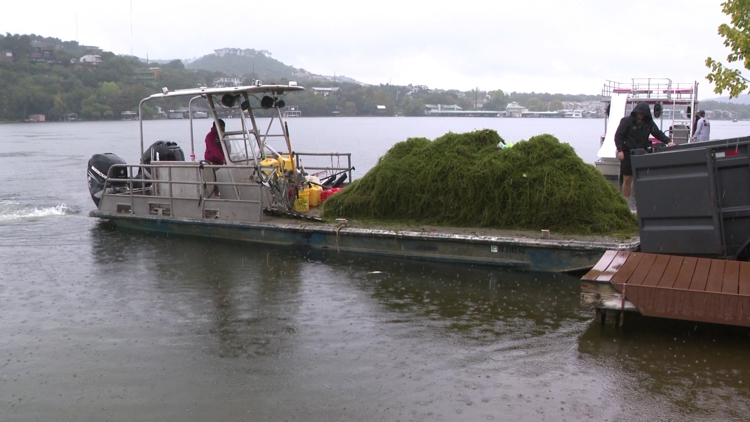
On a sunny afternoon, families gathered along the shores of Lake Austin, their laughter and chatter mingling with the gentle lapping of the water. Children splashed gleefully while parents watched over them, the serene beauty of the lake serving as a backdrop for cherished memories. Yet, beneath the surface, a silent struggle was unfolding. Invasive hydrilla, a fast-growing aquatic plant, has been wreaking havoc on the lake's ecosystem, posing challenges for boaters and marina operators alike. In response, the city has embarked on an innovative initiative, introducing over 7,000 grass carp into the lake to combat this relentless invader.
In a bold move to restore balance to Lake Austin's ecosystem, the city has strategically added more than 7,000 grass carp to the waters. This initiative, announced on October 1, 2023, aims to tackle the invasive hydrilla that has proliferated in recent years, choking out native plants and disrupting recreational activities. The grass carp, a species known for its voracious appetite for hydrilla, are expected to play a crucial role in managing this aquatic menace.
The decision to introduce these fish was not made lightly. City officials, including representatives from the City of Austin, consulted with aquatic biologists and environmental experts to ensure that this method would not only be effective but also environmentally responsible. The grass carp, which are herbivorous, will help reduce the hydrilla population without harming other native species.
As hydrilla continues to spread, its impact on local boating and recreational activities has become increasingly apparent. Marina operators have reported difficulties in navigating through dense patches of the plant, and boaters have faced challenges in launching and retrieving their vessels. This initiative represents a proactive approach to restoring the lake's natural beauty and usability.
The announcement of the grass carp introduction has been met with a mix of excitement and cautious optimism from community members. Local residents, many of whom have enjoyed the beauty and recreational opportunities of Lake Austin for years, are hopeful that this innovative solution will yield positive results. “It’s great to see the city taking action,” said Sarah Thompson, a long-time resident and avid boater. “Hydrilla has made it difficult for families like mine to enjoy the lake. I’m looking forward to seeing how these fish will help.”
However, some community members have expressed concerns about the potential long-term effects of introducing a non-native species into the ecosystem. Environmental advocates emphasize the importance of monitoring the grass carp population to ensure they do not disrupt the balance of the lake's ecosystem. “While we need to address the hydrilla issue, it’s crucial that we do so responsibly,” noted John Martinez, a local environmentalist. “We need to keep a close eye on the grass carp and their impact on native species.”
As discussions continue, the city has assured residents that they are committed to monitoring the grass carp population and assessing their impact on the lake. Regular assessments will be conducted to gauge the effectiveness of this strategy and to ensure that the introduction of the grass carp does not lead to unintended consequences. This commitment to transparency is vital, as many residents have expressed a desire to be involved in the ongoing conversation about the lake’s health.
Many residents have taken to social media to share their thoughts on the initiative. Posts range from enthusiastic support to thoughtful critiques, showcasing the diverse perspectives within the community. The city has encouraged open dialogue, inviting residents to participate in upcoming forums where they can voice their opinions and ask questions about the project. These forums will serve as a platform for community engagement, allowing residents to address their concerns directly with city officials and experts involved in the initiative.
Lake Austin is not just a body of water; it is a vital resource for the community, offering recreational opportunities for boating, fishing, and swimming. The lake is a popular destination for families, tourists, and outdoor enthusiasts alike. Its scenic beauty and accessibility make it a cherished landmark in the region. The health of the lake directly impacts local businesses, particularly those in the tourism and recreation sectors. Marina operators, fishing guides, and local restaurants all benefit from a thriving lake environment.
Moreover, Lake Austin plays a crucial role in the local ecosystem. It supports a variety of wildlife, including fish, birds, and other aquatic organisms. The introduction of grass carp is seen as a necessary step to protect this delicate ecosystem from the invasive hydrilla, which threatens to disrupt the natural balance and diminish biodiversity. By investing in the lake's health, the city is also investing in the community's well-being.
Looking ahead, the city plans to implement a comprehensive monitoring program to track the progress of the grass carp in controlling hydrilla. This program will involve regular surveys of the lake's vegetation, water quality assessments, and feedback from the community. The goal is to create a sustainable management plan that not only addresses the current hydrilla issue but also protects the health of the lake for future generations.
In addition, the city is exploring educational initiatives aimed at raising awareness about the importance of maintaining a healthy aquatic ecosystem. Workshops and informational sessions will be offered to residents, focusing on responsible boating practices, the impact of invasive species, and ways to support native habitats. These educational efforts are essential for fostering a sense of stewardship among residents, encouraging them to take an active role in preserving the lake's natural beauty.
As the grass carp settle into their new home, the community remains hopeful that this initiative will restore the natural beauty of Lake Austin. For families who cherish their time on the water, the prospect of a cleaner, more accessible lake is a dream worth pursuing. The city’s commitment to this effort reflects a dedication to preserving the American dream of enjoying nature's bounty with loved ones.
In summary, the introduction of over 7,000 grass carp into Lake Austin marks a significant step in the city's efforts to combat the invasive hydrilla. While the community expresses both excitement and caution, the city remains dedicated to ensuring the health of the lake's ecosystem. As residents come together to support this initiative, they embody the spirit of commitment that defines New Braunfels. The hope is that, through collaboration and responsible stewardship, Lake Austin will once again flourish as a beloved destination for families and nature enthusiasts alike. With ongoing community involvement and monitoring, the future of Lake Austin looks promising, ensuring that it remains a vibrant part of the community for years to come.
By Marcus Lee

By Henry Foster

By Daniel Nguyen

By Henry Foster